Neodymium: Uses, Properties, Price and Where It Comes From
Neodymium is the rare earth that makes the strongest magnets possible. Here is what it is, what it is used for, where it comes from and what it costs.
Neodymium is the rare earth that makes the strongest magnets possible. Here is what it is, what it is used for, where it comes from and what it costs.

How many years until solar pays for itself? Here is how payback is calculated, what solar costs in 2026 now that the federal tax credit has ended, typical payback periods by state conditions, and a calculator for your own numbers.
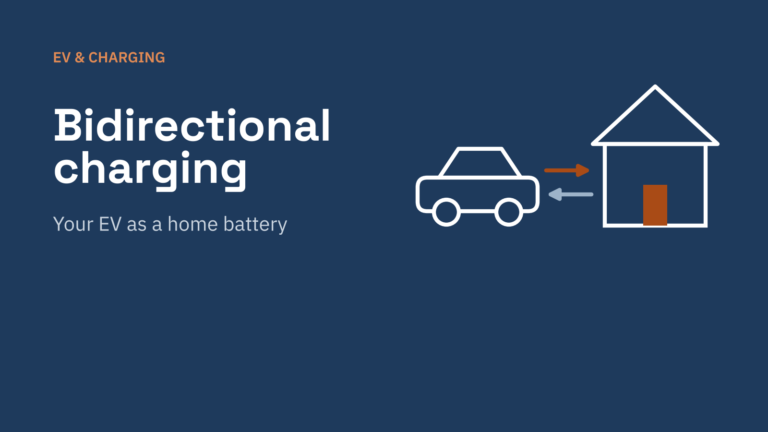
Your EV’s battery is five to ten times bigger than a home battery. Here is how bidirectional charging lets it power your house, which cars and chargers support it in 2026, what it costs and whether it is worth it.
Terbium is one of the rarest rare earths. A fraction of a percent keeps neodymium magnets working when they get hot. Here is what it is used for, where it comes from and why it costs so much more outside China.
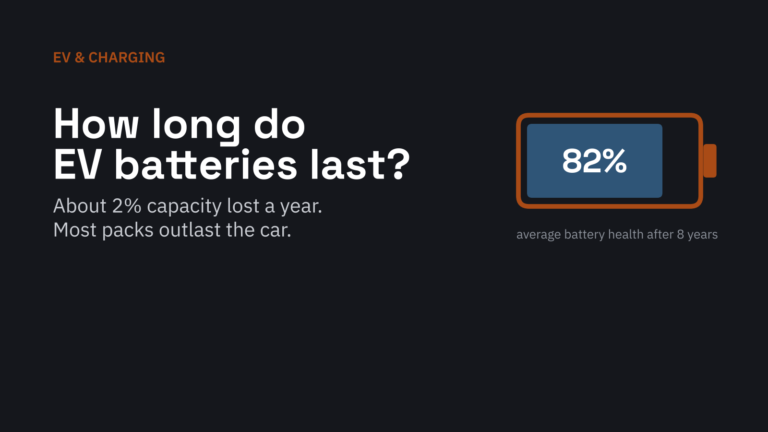
Most EV batteries lose about 2% of their capacity a year and outlast the car. Here is what real-world data from 22,700+ vehicles shows, what speeds up wear, what the warranty covers and what a replacement costs.

A cerium magnet is a neodymium magnet in which part of the neodymium has been replaced with cerium, the cheapest and most plentiful rare earth. It is not a new magnet family so much as a cost-cutting recipe for the existing one, and it has quietly become one of the biggest product lines in China’s…
Cerium is the most abundant rare earth and the hardest to sell. Here is what it is used for, how cerium oxide polishes glass, and why every new magnet mine makes a cerium surplus.

Solar panels do not stop working when the warranty ends. Here is how fast they really lose output, what warranties promise, and which part of the system fails first.
Praseodymium is the “green twin” of neodymium and makes up about a quarter of the rare earths in most strong magnets. Here is what it does, where it comes from, and who produces it.
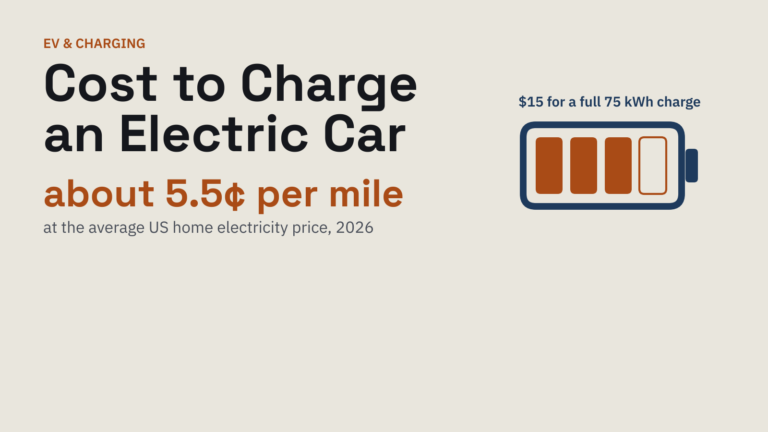
Charging an electric car at home costs about 5.5 cents per mile at the average US electricity price. Use the calculator to work out your own monthly cost and compare it with gas.