Generator vs Battery Backup: Which Is Better for Your Home?

Generator vs battery backup is the first real choice most homeowners face after a long outage. A standby generator runs for days on natural gas or propane. A home battery switches on instantly, makes no noise and burns nothing, but holds a fixed amount of energy. This guide compares the two on the numbers that matter: what each costs to buy, what it costs to run during an outage, how long it lasts, and what it costs over ten years.
Short answer: For short, frequent outages, a battery is the better fit: about $13,000 to $16,500 for one 13.5 kWh unit, almost no running cost, and instant switchover. For rare outages that last several days and no solar panels, a standby generator gives more hours of backup per dollar: about $10,000 to $17,000 installed for a 22 kW unit, plus $4 to $7 an hour in fuel. Over ten years, the two cost roughly the same for backup alone. A portable generator with an interlock kit, at $1,500 to $3,500, is the budget option.
Key takeaways
- A generator’s limit is fuel. A battery’s limit is stored energy. That one difference drives most of the decision.
- Generator electricity is expensive: about 38 cents per kWh on natural gas and about 61 cents on propane at half load, versus roughly 18 cents from the grid.
- A battery costs about $2.50 to recharge from the grid, and nothing with solar.
- Over ten years, a 22 kW natural gas generator and a single 13.5 kWh battery cost about $17,300 and $15,650 for backup alone, close enough that other factors decide.
- Portable generators cause about 85 carbon monoxide deaths a year in the US. Batteries produce no exhaust.
- You do not have to choose only one. Many battery systems can work alongside a generator.
Generator vs battery backup at a glance
| Standby generator (22 kW) | Home battery (13.5 kWh) | Portable generator | |
|---|---|---|---|
| Installed cost | $10,000–17,000 | $13,000–16,500 | $1,500–3,500 with interlock kit |
| Running cost in an outage | $4–7 an hour | About $2.50 per recharge | Gasoline, plus refueling trips |
| How long it runs | As long as fuel lasts | About 2 days on essentials, 11 hours whole house | Hours per tank |
| Switchover | Automatic, within seconds | Automatic, near instant | Manual |
| Power output | 21–22 kW | 11.5 kW (Powerwall 3) | Usually 5–10 kW |
| Noise | About 67 dB at 7 m | Near silent | Loud |
| Exhaust | Yes, outdoors only | None | Yes, high carbon monoxide risk |
| Maintenance | Annual service, $80–300 | Almost none | Oil changes, fuel care |
| Use between outages | None | Can cut bills with solar or time-of-use rates | None |
What each option costs up front
Standby generators. A permanently installed generator sits on a pad outside, connects to your gas line or a propane tank, and starts on its own when the grid fails. Generac lists its 22 kW air-cooled model at an MSRP of $6,309. Installed with an automatic transfer switch, pad, permit and gas hookup, most 18 to 22 kW systems land between about $10,000 and $15,000. One Midwest installer quotes about $16,600 for a 22 kW Generac in October 2026. Long gas runs, a new propane tank or a panel upgrade push the price higher.
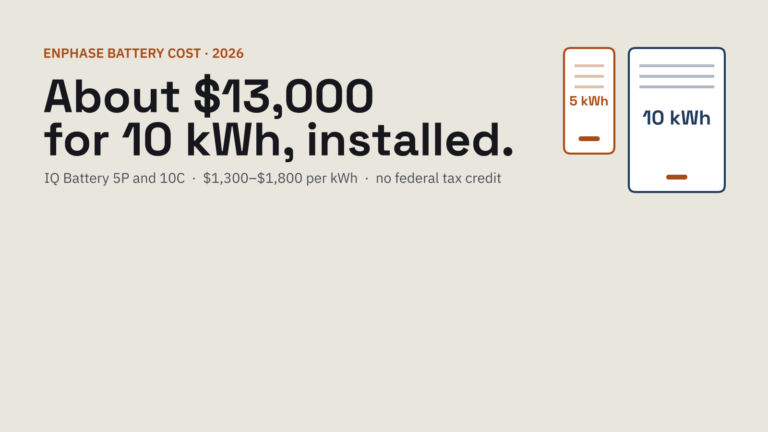
Home batteries. A 13.5 kWh battery costs about $15,650 installed before incentives, according to EnergySage. The Tesla Powerwall 3 typically comes in at $13,000 to $16,500. The 30% federal tax credit for home batteries ended on December 31, 2025, though some states and utilities still offer rebates. For full numbers by brand, see our guides to Tesla Powerwall 3 cost and Enphase battery cost.
Portable generators. A gasoline portable costs a few hundred to a few thousand dollars. To power circuits safely through your panel, an electrician installs an inlet box and an interlock kit, which typically costs $400 to $900. Running extension cords through a window is cheaper but limits you to plug-in loads.
| Option | Typical installed cost (2026) | What it covers |
|---|---|---|
| Portable generator + interlock kit | $1,500–3,500 | Selected circuits, manual start |
| Standby generator, 14–16 kW | $8,000–14,000 | Most circuits in a small to mid-size home |
| Standby generator, 20–22 kW | $10,000–17,000 | Whole home, including central air |
| One 13.5 kWh battery | $13,000–16,500 | Essentials for about 2 days, or a partial home |
| Battery + one expansion (27 kWh) | About $21,700 | Whole home for about a day, essentials for 4 |
What it costs to run during an outage
Generator fuel use depends on load. Generac publishes figures at half load and full load for its 22 kW model. Using a residential natural gas price of about $18 per thousand cubic feet and the US average propane price of $2.73 a gallon (EIA, week of October 26, 2026), here is what that means in dollars:
| Generac 22 kW | Fuel use | Cost per hour | Cost per day |
|---|---|---|---|
| Natural gas, half load | 221 cu ft/hr | About $4.00 | About $95 |
| Natural gas, full load | 311 cu ft/hr | About $5.60 | About $134 |
| Propane, half load | 2.45 gal/hr | About $6.70 | About $161 |
| Propane, full load | 3.71 gal/hr | About $10.10 | About $243 |
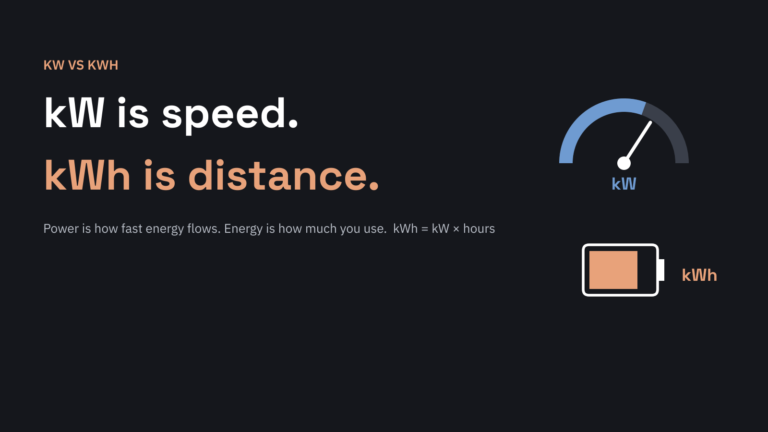
Divide by output and the generator’s electricity is expensive. At half load the 22 kW unit makes about 10.5 to 11 kWh an hour, so natural gas works out to about 38 cents per kWh and propane to about 61 cents. The average US home pays about 18 cents per kWh from the grid. (If kW and kWh blur together, our kW vs kWh explainer sorts them out.)
Propane also sets a hard limit on runtime. A 500-gallon tank is filled to about 80%, or 400 gallons, which runs a 22 kW generator at half load for roughly seven days. Natural gas has no tank to run dry, as long as the gas utility keeps pressure up.
A battery’s running cost is the electricity to refill it. Recharging 13.5 kWh at 18 cents costs about $2.50. With solar panels, it costs nothing, and the panels can recharge the battery during a multi-day outage.
The 10-year cost of backup power
Many comparisons pit a generator against a full solar-plus-battery system and count decades of solar savings. That tells you whether solar pays, not which backup to buy. The chart below compares backup alone, without solar, over ten years.

The assumptions: 20 hours of outage a year, which is about double the 2024 US average; a natural gas standby generator at $14,000 installed with $250 a year in service; a battery recharged from the grid at 18 cents per kWh; and a portable generator at $1,700 with an interlock kit. On those numbers, a 22 kW generator and a single battery end up within about $2,000 of each other. The generator powers more of the house for longer. The battery switches over faster, needs no fuel, and can earn money between outages on time-of-use rates or utility battery programs.
Two things can tip the balance. If you have solar or plan to add it, the battery gains every sunny day. If your outages regularly last a week, the generator’s unlimited runtime is worth more than any savings.
How long each one runs
A standby generator runs as long as it has fuel, but not without stopping. Generac tells owners of its air-cooled home generators to shut down after every 24 hours of continuous use to let the engine cool and check oil and fuel. Larger liquid-cooled units handle long runs better.
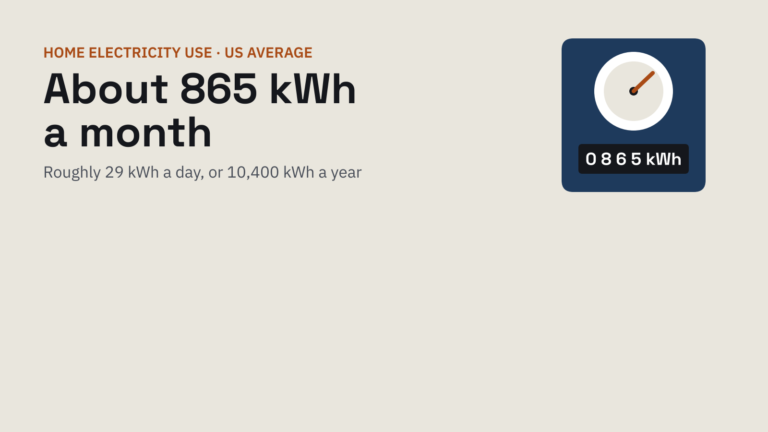
A battery runs until its stored energy is gone. One 13.5 kWh battery keeps essentials such as the fridge, lights, internet and furnace fan going for about two days. Running a whole home at normal use, which averages about 30 kWh a day, it lasts about 11 hours. See how to size a home battery backup for the full calculation, and how many kWh a house uses for typical loads.
How long do outages actually last? US electricity customers averaged 11 hours without power in 2024, nearly twice the average of the previous decade, according to the EIA. Hurricanes Beryl, Helene and Milton caused 80% of those hours. Outside major storms, the average is about two hours a year. Customers in South Carolina, hit by Helene, averaged nearly 53 hours. For most homes, the typical outage fits inside one battery. The rare long one does not.
Noise, fumes and safety
A 22 kW standby generator is rated at about 67 decibels at 7 meters, similar to a loud conversation or a running dishwasher, and it must sit outdoors with clearance from windows and vents. A home battery makes only fan noise and can be mounted in a garage.
Portable generators carry the biggest risk. The US Consumer Product Safety Commission estimates that about 85 people die each year from carbon monoxide poisoning caused by gasoline portable generators, often because the generator was run in a garage, basement or close to a window. If you use one, run it outdoors and far from the house, and install carbon monoxide alarms.
Maintenance and lifespan
Generators need regular care. An annual service visit costs about $80 to $300 and covers oil, filters and spark plugs. The small starter battery inside a standby generator usually lasts 3 to 5 years. The generator also runs itself for a few minutes every week or two as a self-test, which burns a little fuel. A well-maintained standby unit can last 20 years or more.
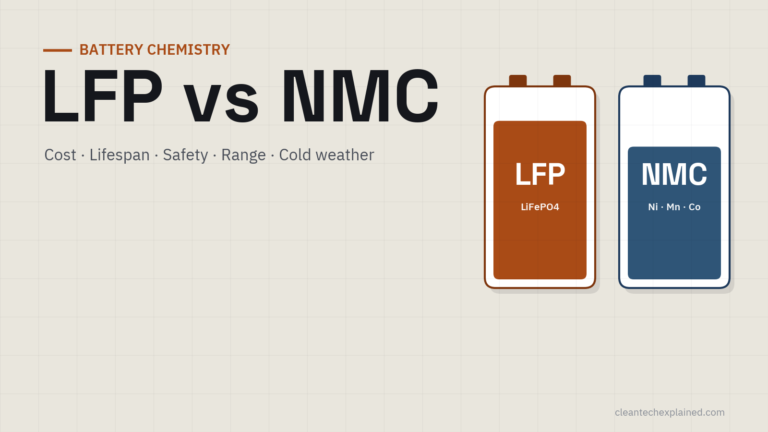
Batteries need almost no maintenance. The trade-off is lifespan: most come with a 10-year warranty that guarantees about 70% of original capacity, and capacity fades slowly with use. Most home batteries now use lithium iron phosphate cells, which tolerate many thousands of cycles; see our LiFePO4 battery guide.
Switchover: seconds vs almost nothing
When the grid fails, a standby generator’s transfer switch senses the outage, starts the engine and moves the load, usually within 10 to 20 seconds. Clocks reset and computers without a UPS shut down. A battery takes over so quickly that most electronics never notice. That matters for home offices, medical devices and anything that cannot lose power even briefly.
The hybrid option: battery plus generator
Combining the two covers each one’s weak spot. In Tesla’s design, the Powerwall responds to an outage first, before the generator even detects it, and the generator starts only when the battery runs low or the load exceeds what the battery can supply. The generator then runs at a steady, efficient load for a few hours instead of idling all day.
Integration depends on the equipment. Some setups need an external transfer switch and extra wiring, and installers quote around $2,000 to tie an existing generator to a new battery. Ask before you buy whether the battery system you are considering supports a generator. An electric vehicle with bidirectional charging can add another large battery to the mix.
Which should you choose?
- Outages are short and a few times a year: a battery. It covers almost every event with no fuel and no noise.
- Outages last days, you have natural gas, and no solar: a standby generator. Nothing else gives as many hours per dollar.
- You have or plan solar: a battery. The panels recharge it during a long outage and it saves money the rest of the year. See our solar battery guide.
- Medical equipment or a home office: a battery, or a battery in front of a generator, for instant switchover.
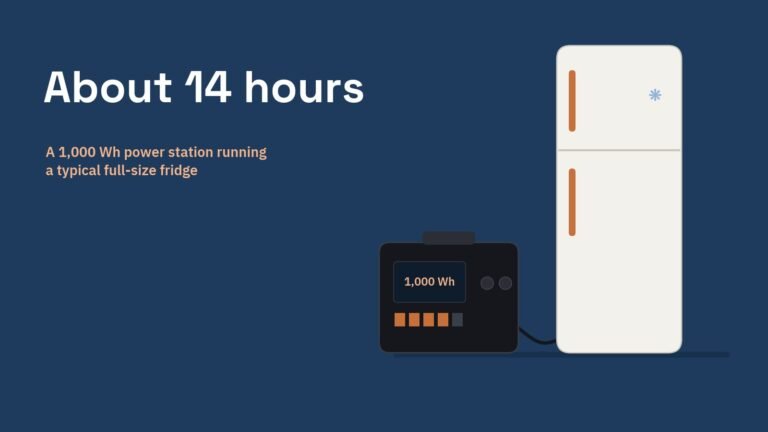
- Tight budget: a portable generator with an interlock kit, or a portable power station for the fridge, lights and phones.
- Rural home on propane with long outages: a generator with a large tank, or a hybrid system if you can afford both.
FAQ
Is a battery or a generator better for home backup?
For short, frequent outages, a battery is better: it switches over instantly, is silent and has almost no running cost. For long outages without solar, a generator is better because it runs as long as it has fuel.
Is a battery cheaper than a generator?
Not up front. A 13.5 kWh battery costs about $13,000 to $16,500 installed, versus $10,000 to $17,000 for a 22 kW standby generator and much less for a portable one. Over ten years, a single battery and a standby generator cost about the same once fuel and maintenance are counted.
How much does it cost to run a generator during an outage?
A 22 kW generator at half load uses about $4 an hour of natural gas or about $6.70 an hour of propane at October 2026 prices, or roughly $95 to $160 a day.
Can a home battery run central air conditioning?
Many newer batteries can start and run a central air conditioner if their continuous power and surge ratings are high enough. Air conditioning drains a battery fast, so expect hours rather than days unless solar panels recharge it.
Can a generator charge a home battery?
In many systems, yes, but it depends on the battery, the inverter and how the generator is wired in. Some brands support it directly; others need extra switchgear. Confirm generator support with the installer before buying.
Is there a tax credit for a generator or a battery?
Generators have never qualified for the federal clean energy credit. The 30% credit for home batteries ended for systems installed after December 31, 2025. Some states and utilities still offer battery rebates.
Sources
- Generac: Home Standby Generator 22kW, specifications and MSRP
- Generac support: How long will my home standby generator run?
- Generac support: How often do I need to replace the battery in my home standby generator?
- EnergySage: Home batteries vs. generators (updated July 2026)
- Wolf River Electric: Whole house generator cost in 2026
- HomeAdvisor: How much does it cost to install a generator?
- UseCalcPro: Transfer switch installation cost, 2026
- U.S. Energy Information Administration: Heating Oil and Propane Update
- Empire Center: Energy Data Bulletin (EIA residential natural gas prices, 2026)
- U.S. Energy Information Administration: Hurricanes in 2024 led to the most hours without power in 10 years
- U.S. Consumer Product Safety Commission: Report on carbon monoxide fatalities from portable generators
- Tesla: Combining systems with Powerwall
This article reflects the author’s personal views and publicly available information as of November 2026. Prices vary by location, installer and fuel market. It is general information, not electrical, financial or purchasing advice.