Home Battery Backup: What Size You Need and What It Costs

A home battery backup keeps your essentials running when the grid goes down. It switches on in a fraction of a second, makes no noise and needs no fuel. The hard questions are how big it should be and whether it is worth the money. This guide shows how to size a home battery backup for a real outage, what partial and whole-house systems cost in 2026, and when a generator is the smarter buy.
Short answer: One 13.5 kWh battery, about $13,000 to $16,000 installed, will run a home’s essentials (fridge, lights, internet, furnace fan) for roughly two days. The same battery lasts only about 11 hours if you run the whole house normally. A true whole house battery backup needs two or three batteries and typically costs $25,000 to $40,000.
Key takeaways
- Size a backup by the loads you must keep running, not by the size of your house.
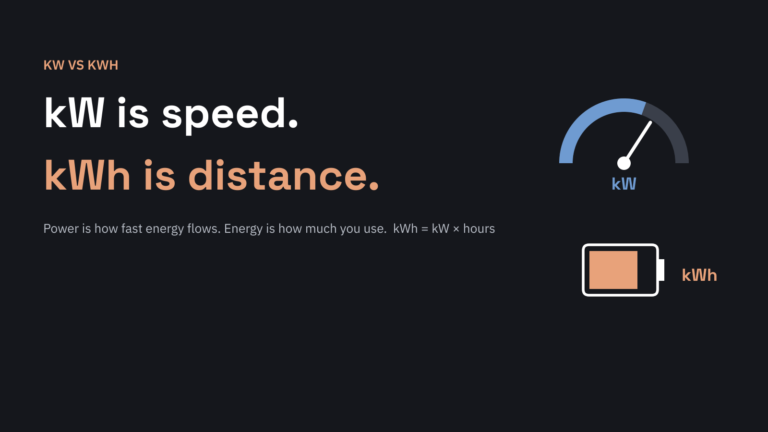
- Two numbers matter: energy (kWh) decides how long it lasts, and power (kW) decides what it can run at once.
- Essentials use about 6 kWh a day. An average US home uses about 30 kWh a day.
- Without solar panels, a battery cannot recharge during an outage. With solar, it can run for days.
- The 30% federal tax credit for home batteries ended on December 31, 2025.
- For multi-day outages without solar, a standby generator is still cheaper per day of backup.
How a home battery backup works
A home battery sits between the grid and your electrical panel. In normal times it stays charged from the grid or from solar panels. When the grid fails, a device called a gateway or transfer switch disconnects your home from the grid within a fraction of a second, and the battery’s inverter takes over.
That disconnect matters. It is the reason rooftop solar on its own shuts down in an outage: without a battery and a gateway, the system must switch off to protect utility workers repairing the lines.
Why outages are worth planning for
US electricity customers averaged 11 hours without power in 2024, nearly twice the average of the previous decade, according to the Energy Information Administration. Hurricanes Beryl, Helene and Milton accounted for 80% of those hours. Customers in South Carolina averaged nearly 53 hours.
That average hides the real pattern. Most homes lose power for an hour or two in a normal year. A few lose it for days after a major storm. Your backup plan depends on which of those you are preparing for.
Three levels of battery backup for home
| Level | Typical size | What it runs | Typical cost |
|---|---|---|---|
| Portable power station | 1 to 3 kWh | Fridge, phones, a few lights, plugged in directly | $500 to $3,000 |
| Partial home backup | 10 to 15 kWh, one battery | Selected circuits: fridge, lights, internet, furnace fan, some outlets | $13,000 to $16,000 installed |
| Whole house battery backup | 27 to 40 kWh, two or three batteries | Every circuit, including central air conditioning | $25,000 to $40,000 installed |
If you rent, or only want to protect food and stay connected, start with our portable power station guide and the calculator in how long a power station will run a fridge.
How much battery do you need?
Step 1: Add up your essential loads
List what you truly need in an outage and estimate each item’s daily energy use. Typical figures:
| Appliance | Energy per day |
|---|---|
| Refrigerator | 1.5 kWh |
| LED lighting, a few rooms | 0.5 kWh |
| Internet modem and router | 0.3 kWh |
| Phones and laptops | 0.3 kWh |
| Gas furnace blower (winter) | 2.5 kWh |
| Sump pump | 0.5 kWh |
| TV | 0.3 kWh |
| Total | About 6 kWh |
Your numbers will differ. A well pump, medical equipment or a second fridge all add to the total.
Step 2: Decide how long you need to last
Divide the battery’s usable capacity by your daily use:
Days of backup = usable battery capacity (kWh) ÷ daily essential use (kWh)
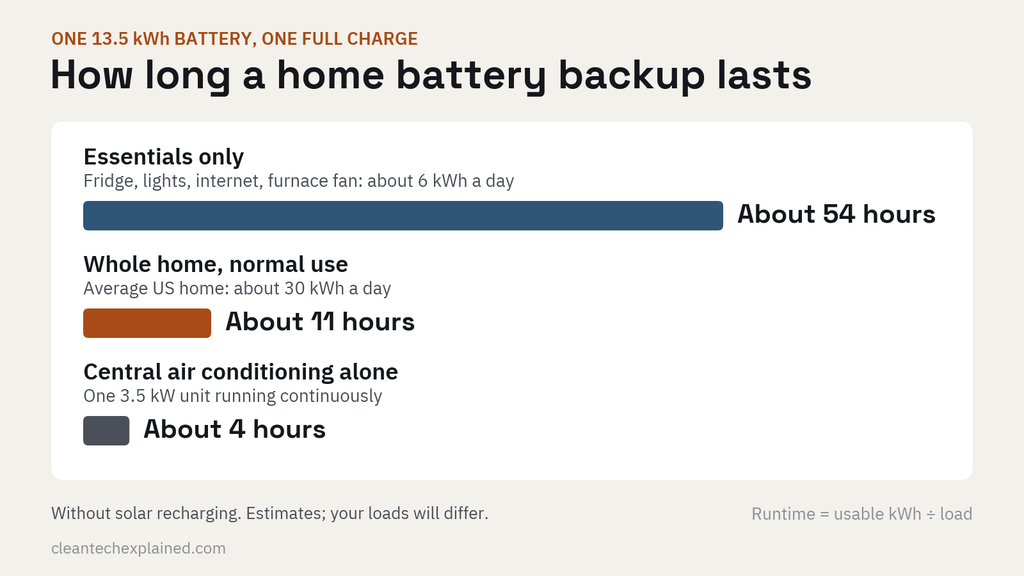
With a 13.5 kWh battery and 6 kWh a day of essentials: 13.5 ÷ 6 = about 2.2 days.
Now compare that with running the whole house as usual. An average US home uses about 30 kWh a day, so the same battery lasts 13.5 ÷ 30 = 0.45 days, or roughly 11 hours. A central air conditioner drawing 3.5 kW would empty it in about 4 hours on its own.
Step 3: Check the power rating
Capacity tells you how long. Power, in kilowatts, tells you how much you can run at the same moment. A battery rated at 5 kW can run a fridge, lights and a microwave together, but it will struggle to start a central air conditioner or a well pump. Newer batteries deliver far more. The Tesla Powerwall 3, for example, provides 11.5 kW of continuous power, enough for most large appliances.
Motors draw a brief surge when they start. If you want to back up air conditioning, ask the installer about that surge and whether a soft-start device is needed.
Partial vs whole house battery backup
Partial backup connects the battery to a small panel of critical circuits. Everything else stays off during an outage. It costs less, and it stops someone from draining the battery by turning on the oven.
Whole house battery backup connects the battery to your main panel, so every circuit works. This is more convenient, but “whole house” describes what the system can power, not how long it lasts. Two batteries totaling 27 kWh will run an average home for less than a day at normal use. Most whole-home systems rely on smart panels or load controls that switch off heavy appliances automatically to stretch the runtime.
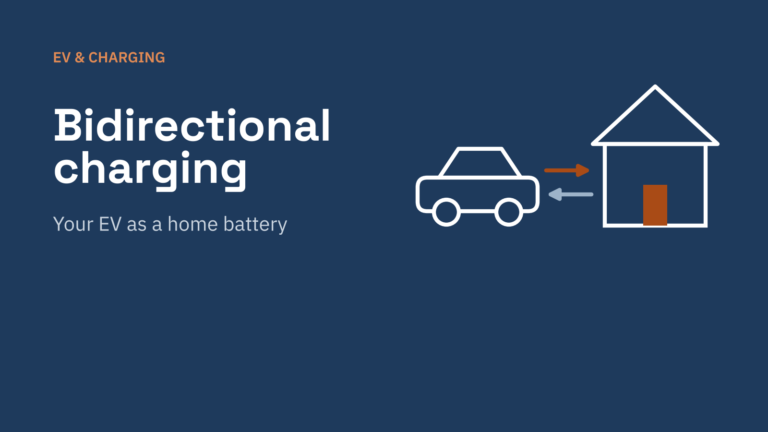
For most homes, partial backup with one battery is the better value. Whole-home backup makes sense if you have solar panels to recharge it, or if you need air conditioning or electric heating to keep running. If you own a compatible EV, bidirectional charging can turn the car into a backup battery.
What home battery backup costs in 2026
According to EnergySage marketplace data, home batteries average $1,159 per kWh installed in 2026. A 13.5 kWh battery comes to about $15,647 before incentives. The Powerwall 3 runs lower, with a typical installed cost of about $13,473.
Two things changed the math this year. The 30% federal Residential Clean Energy Credit, which covered home batteries, ended for systems installed after December 31, 2025. Some states and utilities still offer rebates, and some pay battery owners to share stored energy during peak demand, so check local programs before you buy.
Installation is a real part of the price. A hardwired battery needs a licensed electrician, a permit, a gateway, and sometimes a panel upgrade. Enphase sells storage in 5 kWh and 10 kWh steps; our Enphase battery cost guide has current prices.”
Battery backup with and without solar
A battery works without solar panels. It charges from the grid and waits. The limit is that once it is empty, it stays empty until the power returns.
Add solar and the picture changes. The panels recharge the battery each day, so a modest battery can carry a home’s essentials through an outage of many days, weather permitting. Solar also lets the battery earn its keep between outages by storing cheap daytime energy for the evening. For that side of the decision, see our solar battery guide and solar panel calculator.
Home battery backup vs generator
| Home battery | Standby generator | |
|---|---|---|
| Installed cost | $13,000 to $16,000 per battery | Roughly $7,000 to $15,000 |
| Runtime | Hours to days, limited by capacity | As long as fuel is supplied |
| Switchover | Instant | Several seconds |
| Noise and exhaust | None | Both |
| Maintenance | Almost none | Regular servicing and test runs |
| Use between outages | Can cut bills with solar or time-of-use rates | None |
A simple way to decide:
- Short, frequent outages: a battery is the better fit.
- Rare outages that last for days, with no solar: a generator gives more backup per dollar.
- Multi-day outages and you have or want solar: solar plus battery can match a generator without fuel.
- Sensitive equipment that cannot lose power even briefly: a battery, because of the instant switchover.
Portable generators cost far less but must only ever be run outdoors, well away from windows, because of carbon monoxide. For fuel costs, runtime and a 10-year comparison, see our full guide to generator vs battery backup.
What to look for when buying
- Usable capacity (kWh) that matches your essential loads and target duration.
- Continuous power (kW) high enough for your largest appliance.
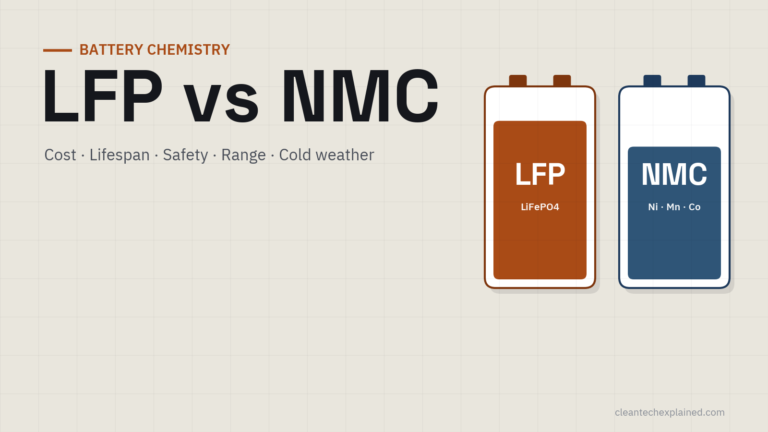
- Chemistry. Most current home batteries use lithium iron phosphate, which is stable and long-lived. See our LiFePO4 battery explainer and LFP vs NMC comparison.
- Expandability, so you can add capacity later.
- Warranty. Ten years is standard.
- Installer quality. Get at least three quotes and ask which circuits will be backed up.
FAQ
How long will a home battery backup last?
A 13.5 kWh battery runs typical essentials for about two days, or an average home at normal use for about 11 hours. With solar panels recharging it, it can last much longer.
How much does a whole house battery backup cost?
Typically $25,000 to $40,000 installed for two or three batteries. A single battery for partial backup costs about $13,000 to $16,000.
Can a home battery run central air conditioning?
Many newer batteries can, if their continuous power rating is high enough. Air conditioning drains a battery quickly, so expect hours of runtime, not days, unless you have solar.
Does a home battery backup work without solar panels?
Yes. It charges from the grid. It cannot recharge during an outage, so its runtime is limited to one full charge.
Is a battery better than a generator?
For short outages, quiet operation and instant switchover, yes. For long outages without solar, a generator usually gives more backup for the money.
Is there still a tax credit for home batteries?
The 30% federal credit ended for systems installed after December 31, 2025. Some state and utility incentives remain.
Sources
- U.S. Energy Information Administration: Hurricanes in 2024 led to the most hours without power in 10 years
- EnergySage: Your guide to home batteries in 2026
- EnergySage: Tesla Powerwall 3 review, specifications and pricing
- IRS: Residential Clean Energy Credit
This article reflects the author’s personal views and publicly available information as of October 2026. Costs vary by location and installer. It is general information, not electrical, financial or purchasing advice.